1. Identify the substance
The team checks labels, safety data sheets and the history of the site. If the substance is unknown, crews treat it as hazardous until it is identified.
Superior, NE · Nuckolls County
Found unlabeled jugs, drums or old products in Superior? Do not open or move them. Call (877) 812-4220. Crews sort the containers, remove hazardous waste and clean the surfaces they touched.
If anyone is in danger, call 911 first. For a suicide crisis, call or text 988.
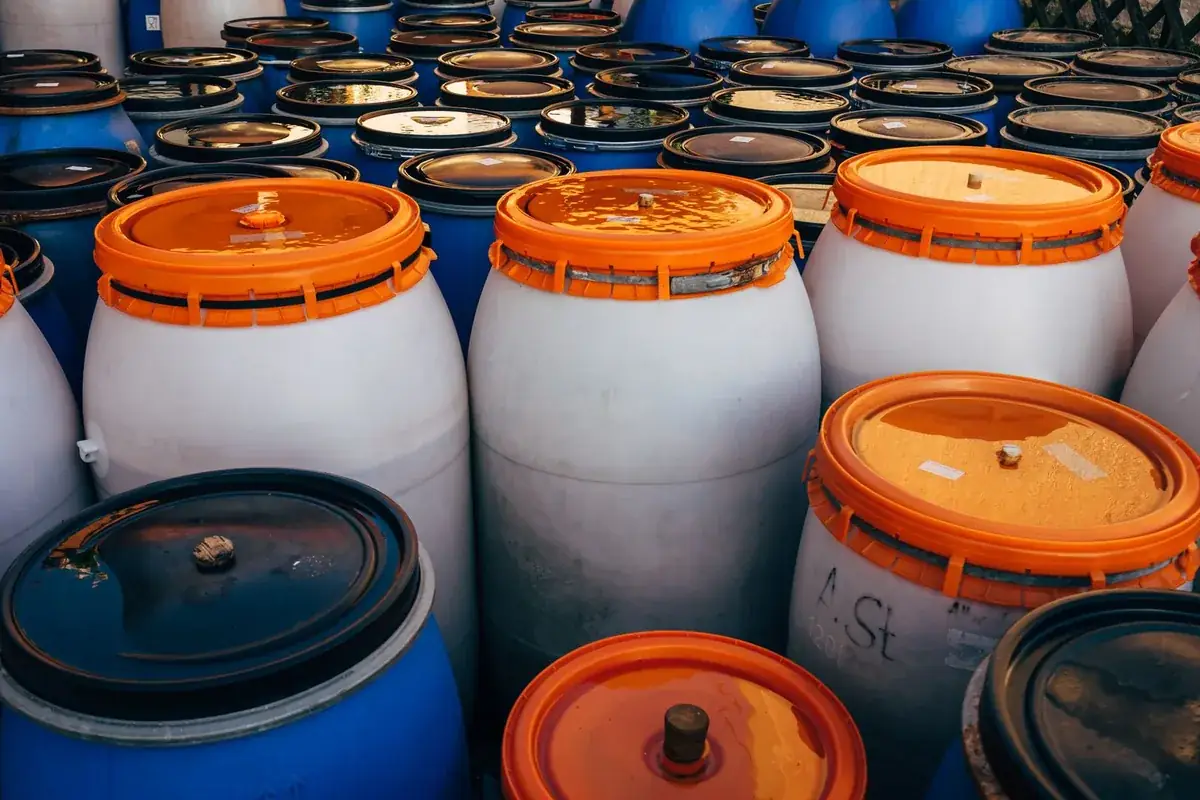
Hazardous material cleanup is the professional response to leaks, spills and abandoned products. It follows a plan that covers safety, containment, removal, cleaning and documentation of the waste.
When your Superior property has chemical waste that nobody should touch, you get a team with the gear, absorbents and containers to finish the job safely. Call Superior Biohazard Cleanup Help, and you get plain answers and documentation.
Vacant homes, about 14% of those in Nuckolls County, are often cleared before a sale, and chemicals left behind need professional removal. Older housing is common in Superior, around 93% built before 1980, so leftover chemicals turn up when homes are cleared out or sold.
Chemical & Toxic Waste Cleanup in Superior usually includes:
The team checks labels, safety data sheets and the history of the site. If the substance is unknown, crews treat it as hazardous until it is identified.
Drains are covered where needed, and absorbent socks and barriers surround the spill. The team works from clean areas toward the source.
Containers and contaminated materials come out first. Floors, shelves, walls and equipment are cleaned with products that suit the substance.
Surfaces are cleaned with methods suited to the substance. Waste is labeled, sorted by type and hauled by the rules that apply.
The cost of chemical & toxic waste cleanup in Superior, NE depends on the amount of material, how it is packed and how it is hauled.
Hauling and packaging count too. Drums, labels, secondary containers and transport are part of lawful waste handling and are priced into the job.
| Type of job | Typical range |
|---|---|
| Hazardous chemicals | $30 - $50 per barrel |
Estimates only, not a quote. Sources: Fixr. Price drivers include type of chemical, amount, packaging and transport, disposal fees. Call (877) 812-4220 to talk through the job.
Yes. Buyers, lenders and inspectors may ask that chemical waste be removed and documented. The crew removes the waste, cleans the area and supplies a summary of what was done.
Small spills of familiar household products may be manageable with the label's directions. Unknown, large or hazardous spills are not. Never mix products. If in doubt, leave the area, keep people and pets out and call 911 or Poison Control.
Do not open, move or smell them. Keep people and pets away and take photos from a safe distance. A cleanup team can identify the contents, sort them by hazard and set up lawful disposal.
OSHA sets safety rules for workers who handle hazardous substances. Professional crews follow those rules and use gear matched to the hazard. Employers have their own duties, which safety staff or an attorney can explain.
Biological hazards come from living things, such as bacteria, viruses and body fluids. Chemical hazards come from substances like solvents, acids, fuels and pesticides. They need different gear, products and disposal, and some jobs involve both.
Some products release toxic gas when combined. Bleach and ammonia are a well-known example. Never mix products to clean a spill, and leave the area if you smell fumes.
Questions about insurance, records or timing are welcome.
Call (877) 812-4220